

Foam Free Future: Keeping Our Oceans Polystyrene Free
 Written by Arabella Condon
Introduction
Polystyrene is all around us. While many of us primarily recognise foam as a packaging material, its uses extend far beyond, it is found in everything from seafood, fruit and vegetable boxes to Eskies/Coolers, surfboards, construction materials, insulated & cold rooms, and even floating docks in marinas and other harbour infrastructures. Polystyrene is a prevalent foam type made from the polymerisation of styrene monomers. Polystyrene foam is a significant component of marine litter, which started to be recognised as a problem in 1972 (Carpenter et al., 1972). Its tendency to float makes it more likely to be found in water surveys, but its true prevalence in marine environments may be underestimated. This is due to its ability to rapidly break down into microplastics and nanoplastics. This issue has been highlighted in the data collected by Seabins; in 2024, 60,976 microfoam pieces have been analysed in Seabin catches. It is important to note that 13% of Seabin catches have been analysed this year, meaning that 469,046 microfoam pieces have been captured for the overall total number of catches. Microfoam has also emerged as the most common type of microplastic captured in Seabin catches. Extrapolated Macrofoam in 2024 also totalled a huge 100,731 pieces.
Scientific Research
A study on polystyrene nanoparticles (NPs) by Kik et al., 2020, discovered that NPs may be transported via pinocytosis, phagocytosis or passively throughout one’s body, which means they can penetrate cellular membranes and bypass natural barriers organisms have to protect themselves against harmful substances. The full extent to which these NPs affect our health is unknown. However, one study conducted by Hwang et al., 2020, identified primary polystyrene particles as potential immune stimulants that cause the body to produce specific signalling molecules (cytokines) depending on the size and concentration of polystyrene particles.
A toxicology study by Wakefield, 2007, found that acute exposure to styrene, which is the building block for polystyrene that can leach when exposed to heat, can cause respiratory irritation, pulmonary edema, cardiac arrhythmias, and “styrene sickness”, including headache, nausea, fatigue, and dizziness. Additionally, ingestion or dermal exposure may lead to CNS depression and dermatitis. Chronic exposure is associated with impaired coordination, memory, liver function, and abnormal ECG patterns. Styrene is also a possible human carcinogen (Wakefield, 2007).
This is concerning as Turner, 2021, found polystyrene foam as a source and sink of chemicals in marine environments, which absorbs pollutants and releases toxins into the water (Turner, 2021). What this means for all living organisms as these contaminants bioaccumulate through the food chain is unknown, so we must do our best to move away from using polystyrene and adequately dispose of the existing polystyrene. There is research that looks at what we can do with the current polystyrene, one option being to use it as a lightweight fill material for embankment construction (a raised wall/bank/mound primarily used to hold back water/roadway) (Febriansya et al., 2024).
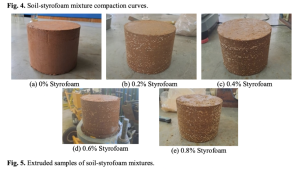
(Febriansya et al., 2024)
Why Does it Matter?
Keeping our oceans foam-free helps marine life, human health, ecosystem health and economic costs. Polystyrene foam is a choking and biochemical issue for marine life; as it breaks down, it releases toxins such as styrene monomers, accumulating in the organism’s tissue, causing malnutrition or death. At Seabin Foundation, we aim to raise awareness of these issues and encourage governments, businesses, and individuals to rethink the use of polystyrene and its impact on our oceans and communities.
The Six Branches
Fishing/Seafood Packaging for Transportation
Due to their lightweight and insulating properties, the fishing industry has long relied on polystyrene boxes for transporting seafood. However, with increasing awareness of polystyrene’s health and environmental risks, it is time for business owners to consider more sustainable alternatives. By switching to environmentally friendly packaging materials, seafood businesses can protect marine ecosystems and support a healthier future. As well as getting better cost-per-use value by choosing materials that last longer.
Floating Docks
Floating docks constructed with exposed polystyrene pose a severe threat to marine environments, as the material often breaks down, releasing harmful microplastics into the water. These docks contribute to the long-term pollution of our oceans and waterways. Encapsulated foam, Sustainable alternatives, or non-plastic materials offer a more responsible solution for dock construction. By raising awareness about the environmental damage caused by polystyrene docks, we can encourage individuals and businesses to choose safer, greener alternatives and advocate for regulations that hold manufacturers accountable for their product’s environmental impact.
Food/Beverage Containers
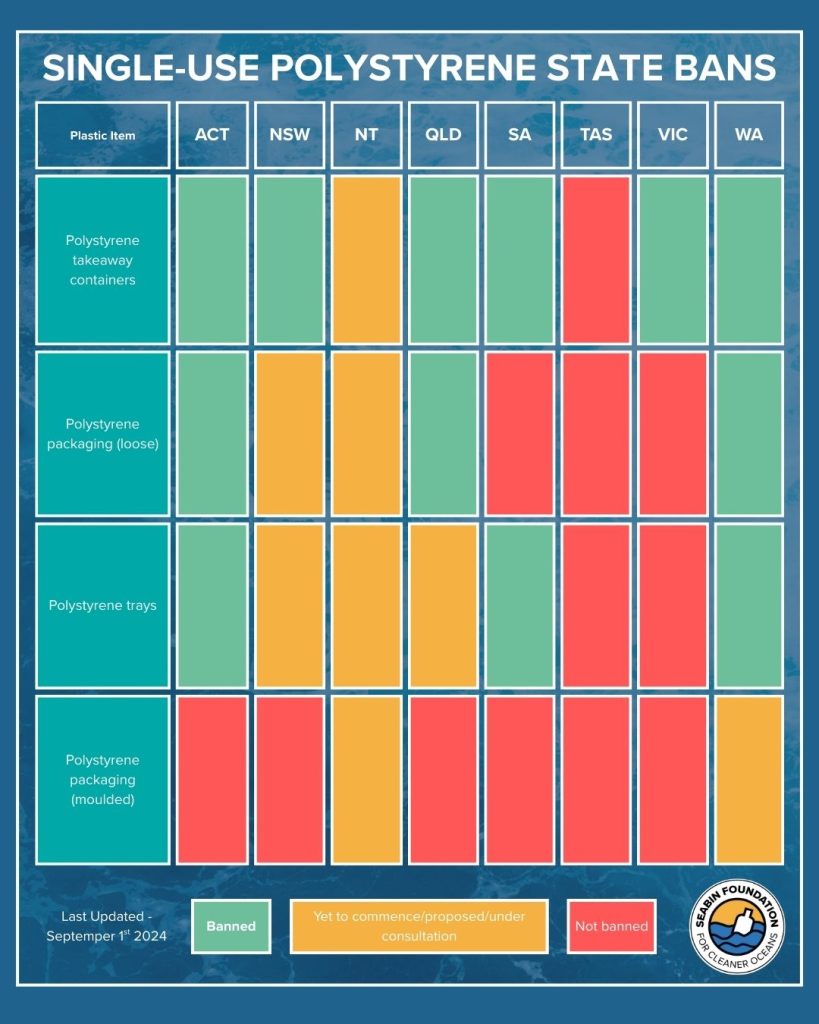
Despite increased regulation, polystyrene containers remain in circulation, posing risks to human health and the environment. Polystyrene can leach harmful chemicals into food and beverages, and its persistence in the environment adds to the growing plastic pollution problem. Educating the public about these dangers is crucial to reinforcing the reasons behind the increased restrictions and encouraging people to choose safer, sustainable alternatives. As seen in the image below, states have been putting bans on some single-use polystyrene items.
Construction
70% of Australia’s polystyrene usage comes from construction, where is it used for insulation and packaging (National Polystyrene Systems, n.d.). Polystyrene can quickly become an environmental hazard when improperly handled, exposed polystyrene can break down and enter waterways, contributing to plastic pollution. Construction companies must be aware of the risks associated with improper disposal and the importance of securely storing and recycling polystyrene materials. Sustainable alternatives, such as biodegradable materials, provide eco-friendly solutions for construction sites.
Refrigeration/Insulation
Polystyrene is widely used in transportation of white goods and consumables that need to be kept at a certain temperature. Polystyrene is known to be good at protecting items like fridges in good condition as they are being shipped but its environmental impact cannot be ignored. By encouraging industries to adopt more sustainable materials, such as those that don’t easily break apart and need to be replaced or biodegradable materials, we can reduce reliance on polystyrene and minimise its harmful environmental effects.
Surfboards
Surfboards are usually made from Polyurethane (PU), Expanded Polystyrene (EPS) or Polystyrene (PS) surf blanks (Surfline, n.d.). While lightweight and affordable, these materials are petroleum-based and non-biodegradable, posing long-term environmental risks. Damaged or discarded boards can break apart and release microplastics into marine environments. The production process also emits toxic chemicals and generates hazardous waste. Surfers and manufacturers are increasingly seeking sustainable alternatives, such as recycled EPS, algae-based foam, or natural-fibre composites, to reduce environmental impact and keep oceans cleaner.
Disposal
Polystyrene, notably expanded polystyrene (EPS) foam, is recyclable but requires specialised facilities. It should never be placed in home recycling bins, as it contaminates other materials and disrupts the recycling process. Instead, you can find your closest designated recycling point on the Recycling Near You website; if there are no recycling points near you, it is better to put it into your curbside landfill bin than your recycling bin (Planet Ark, 2023). In Australia, around 12,000 tonnes of EPS is sent to landfills annually, occupying vast amounts of space and persisting for hundreds of years. In 2011, less than 10 percent of expanded polystyrene (EPS) was recycled, one of NSW’s most poorly recycled plastics (EPA, 2021). Commercial recycling services are available for businesses that generate large quantities of polystyrene waste. It is crucial to recycle polystyrene as it can be integrated into products like outdoor furniture and decking.
Innovative Solutions
Many companies are developing alternatives to polystyrene. Ecovative Design offers fungi and agricultural waste products that mimic Styrofoam but are more environmentally friendly; they can be used for packaging and construction (Ecovative, n.d.).
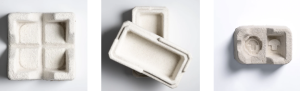 (Ecovative, n.d.)
Stanley Packaging has ‘peanuts’ made from biodegradable and reusable cornstarch.
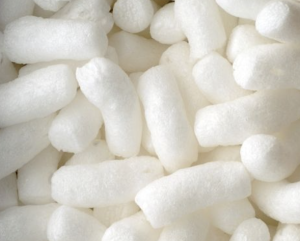
(Stanley Packaging, n.d.)
Alternative foam products, such as Fibrease, are also available, made from wood fibres.
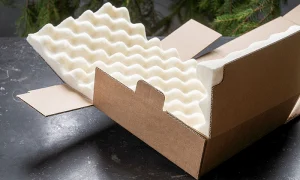
(Stora Enso, n.d.)
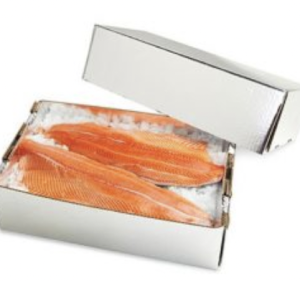
Corrispring is a corrugated cardboard packaging material that still offers cushioning but is sustainable. One company, Oceanic Agencies, makes corrispring specifically for sustainable seafood packaging (Oceanic Agencies, n.d.).
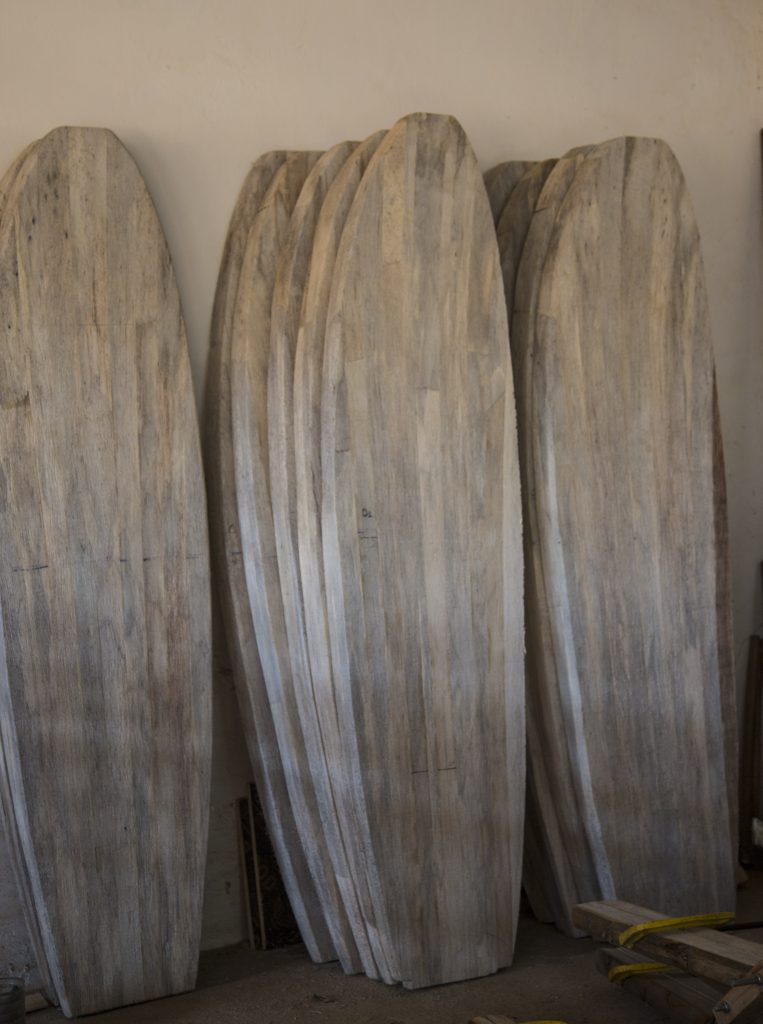
One company, Grow Blanks, is creating eco-conscious surfboard materials that still perform at a high level. Grow Blanks are a sustainable alternative to traditional surfboard cores, made from plants instead of petroleum-based foams. These blanks are grown using renewable biomass and are designed to break down at the end of their life cycle, reducing landfill and ocean pollution (Grow Blanks, n.d.).
The Need for Regulation
The push for more stringent regulation of polystyrene and its environmental impact in Australia is gaining momentum, but much remains to be done. Although some states have banned EPS for food and packaging service products (see image below), regulation still needs more coverage in crucial sectors such as construction and marine applications. The National Plastics Plan also is working to phase out EPS loose packaging fill and moulded packaging in consumer packaging which started in July 2022 (Department of Climate Change, Energy, the Environment and Water, n.d.). Organisations such as The Australian Marine Conservation Society and Clean Up Australia have been actively advocating for stronger regulation of plastics, including polystyrene. On a governmental level, the Plastics and Circular Economy Act 2021 in New South Wales marked an essential step by banning several single-use plastic items, including polystyrene food containers (NSW Government, 2024). Political advocacy at both local and federal levels will be essential to ensure more comprehensive regulation.
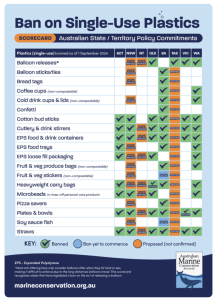
(Australian Marine Conservation Society, 2023)
A Call to Action
The environmental and health impacts of polystyrene are far-reaching, but we can all play a role in creating a foam-free future. Here is how you can make a difference:
Educate Yourself and Others: Start by learning about the harmful effects of polystyrene on marine life, human health, and ecosystems. You read this far into this article, so you are truly on track for this first step! Share this information with your friends, family, and community to raise awareness. Understanding the risks is the first step toward change, and by informing others, you can help build a movement that pushes for a more sustainable future. Thank you for helping us raise awareness about this concerning material.
Support Local Initiatives: Many local councils and governments are beginning to recognise the dangers of polystyrene and are taking steps to regulate its use. You can get involved by advocating for more robust policies that limit or ban polystyrene, particularly in industries like food packaging and construction. Contact your local representatives, sign petitions, and support organisations campaigning for better recycling practices and more sustainable alternatives.
Choose Sustainable Alternatives: Every purchase is a vote for the kind of world we want to live in. Instead of using polystyrene products, opt for compostable, plant-based materials that are biodegradable and have a lower environmental impact. Choose items like reusable containers, bamboo cutlery, or biodegradable packing ‘peanuts’ such as the corn-starch ones by Stanley Packaging. Small changes in your daily life can help reduce the demand for polystyrene and encourage companies to provide more sustainable options.
Biodegradable packing ‘peanuts’ made of cornstarch (Stanley Packaging, n.d.)
Encourage Businesses to Switch to Sustainable Packaging: If you own or work for a business that uses polystyrene packaging, explore alternatives that are better for the environment. Sustainable packaging options like cardboard, mushroom-based packaging, or recycled materials are becoming more affordable. By switching to these alternatives, businesses can reduce their environmental footprint and appeal to eco-conscious consumers.
Get Involved in Cleanup Efforts: Participate in local beach or waterway cleanups to help remove polystyrene waste from the environment. These efforts not only remove harmful debris but also highlight the scale of the problem and inspire others to take action. You can also organise your clean-up events or collaborate with local environmental groups to make a more significant impact.
Support Recycling Initiatives: While polystyrene is notoriously difficult to recycle, specialised facilities do exist. Encourage your workplace, local businesses, and community to utilise commercial recycling services for large quantities of polystyrene. Educate yourself on where your nearest drop-off points are and how to contribute to proper disposal methods. The more polystyrene we can divert from landfills, the better we can reduce its environmental impact.
By taking these steps, we can all contribute to reducing polystyrene pollution and its harmful effects on marine life, human health, and ecosystems. We must make more sustainable choices, push for better policies, and create a future where our oceans and communities are foam-free!
References
Australian Marine Conservation Society. (2023, November 10). Which Australian states are banning single-use plastics? https://www.marineconservation.org.au/which-australian-states-are-banning-single-use-plastics/
Carpenter, E. J., Anderson, S. J., Harvey, G. R., Miklas, H. P., & Peck, B. B. (1972). Polystyrene spherules in coastal waters. Science, 178(4062), 749-750. https://doi.org/10.1126/science.178.4062.749
Ecovative. (n.d.). Mushroom Packaging. Retrieved September 30, 2024, from https://mushroompackaging.com/
Department of Climate Change, Energy, the Environment and Water. (n.d.). National Plastics Plan – Pathway to more sustainable use of expanded polystyrene (EPS). Retrieved May 25, 2025, from https://www.dcceew.gov.au/environment/protection/waste/publications/npp-pathway-to-more-sustainable-use-eps
EPA, N. (2021, July 14). Expanded-polystyrene. NSW Environment Protection Authority. https://www.epa.nsw.gov.au/your-environment/recycling-and-reuse/business-government-recycling/what-can-business-recycle/expanded-polystyrene#:~:text=In%202011%2C%20less%20than%2010,cubic%20metres%20of%20landfill%20space
Febriansya, A., Iskandar, Amalia, D., Indah, R. N., & Widyaningsih, Y. (2024). Environmental implications of styrofoam waste and its utilisation as lightweight fill material for embankment construction. E3S Web of Conferences, 479, 07036. https://doi.org/10.1051/e3sconf/202447907036
Grow Blanks. (n.d.). Grow Blanks. https://growblanks.com/
Hwang, J., Choi, D., Han, S., Jung, S. Y., Choi, J., & Hong, J. (2020). Potential toxicity of polystyrene microplastic particles. Scientific Reports, 10(1). https://doi.org/10.1038/s41598-020-64464-9
Kik, K., Bukowska, B., & Sicińska, P. (2020). Polystyrene nanoparticles: Sources, occurrence in the environment, tissue distribution, accumulation and toxicity to various organisms. Environmental Pollution, 262, 114297. https://doi.org/10.1016/j.envpol.2020.114297
National Polystyrene Systems. (n.d.). EPSA Fact Sheet. Retrieved May 25, 2025, from https://nationalpolystyrene.com.au/epsa-fact-sheet/
NSW Government. (2024, January 29). Single-use plastics banned under new law. https://www.nsw.gov.au/news/single-use-plastics-banned-under-new-law
Oceanic Agencies. (n.d.). Polystyrene Box Alternatives. Retrieved September 30, 2024, from https://www.oceanicagencies.com.au/packaging/polystyrene-box-alternatives/#:~:text=Corrugated%20Cardboard%20Cartons,freight%20and%20storage%2C%20environmentally%20friendly
Planet Ark. (2023). Polystyrene foam. Recycling Near You. https://recyclingnearyou.com.au/polystyrene
Stanley Packaging. (n.d.). 100 litre void fill foam packing peanuts BioFill. Retrieved September 30, 2024, from https://www.stanleypackaging.com.au/product/100-litre-void-fill-foam-packing-peanuts-biofill/
Stora Enso. (n.d.). Fibrease: A brighter future in protective packaging. Retrieved September 30, 2024, from https://www.storaenso.com/en/products/bio-based-materials/wood-foam-by-stora-enso/fibrease
Surfline. (n.d.). Understanding surfboard foam. https://www.surfline.com/surf-news/understanding-surfboard-foam/11993
Turner, A. (2021). Polystyrene foam as a source and sink of chemicals in the marine environment: An XRF study. Chemosphere, 263, 128087. https://doi.org/10.1016/j.chemosphere.2020.128087
Wakefield, J. C. (2007). Styrene Toxicological Overview (1). Health Protection Agency. https://assets.publishing.service.gov.uk/media/5a7e4e80ed915d74e33f163f/HPA_STYRENE_Toxicological_Overview_v1.pdf
How to get involved
There are many ways we can all contribute to the global effort for cleaner oceans! Contact us here to find out how you can get involved on our mission for cleaner oceans.
CONTACT US
Related articles

Unpacking the Polystyrene Problem
Is polystyrene really that bad? Is it a tool that actually allows us to save time, money and the environment or does […]

Marine Litter Solutions From Around the World
“To speed up change, we can be inspired by innovative solutions from other countries in the fight against marine litter pollution” Around […]

Saying Goodbye to Single-Use Plastics
Introduction The world produces approximately 400 million tonnes of plastic each year—and over one-third of that is designed for single use (UNEP, […]