

Artificial Turf On Sporting Fields: The Grass May Be Greener, But It Is Still Plastic
 Written by Yulia Savinova
If you’ve been to a sporting event recently, you might’ve noticed something strange: the grass never seems to die, the field never gets muddy, and your cleats sound suspiciously like they’re running on… a kitchen mat? Congratulations, you’ve met the modern marvel that is artificial turf—nature’s way of saying, “Let’s skip the dirt and go straight to the knee scrapes!”
Sure, artificial turf looks like the field of dreams. It’s always perfectly green, doesn’t need to be mowed, and won’t turn into a mud pit after one rainy game. But for all its perks, there are a few details that might make you reconsider running full-speed across this plastic paradise.
Let’s dive into what our survey found about artificial turf on sports fields, and have a few laughs along the way.
Artificial Turf: The Athlete’s Best Friend (Until It’s Not)
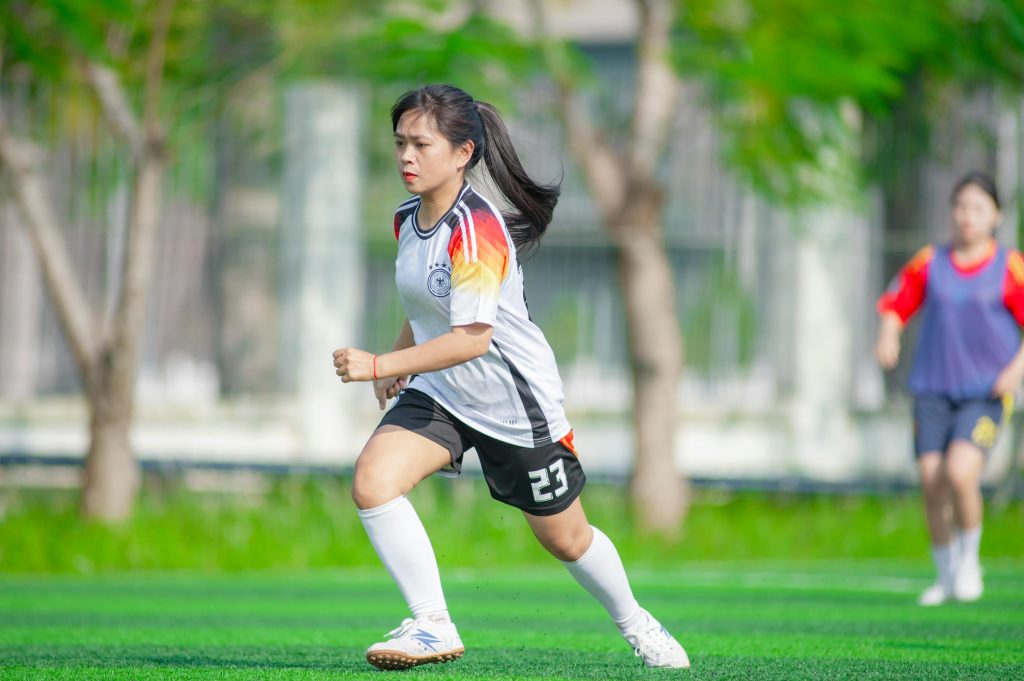
Picture this: you’re sprinting down the field, adrenaline pumping, and the goalpost is in sight. Then, out of nowhere, the turf grabs hold of your foot like it’s trying to keep you there forever. Before you know it, you’re sliding, not gracefully, but like a toddler on ice skates, straight into an embarrassing tumble.
Well, you’re not alone. According to our survey, 40% of respondents are concerned about injuries on artificial turf. Apparently, it’s not just grass that grows here—so do sprained ankles and bruised egos.
And let’s not forget about everyone’s favourite post-game souvenir: turf burn. It’s like a sunburn, but cooler because it comes from playing sports, right? Wrong. It’s just as painful, but now you have the privilege of explaining to everyone how artificial grass literally scraped the skin off your knees.
The “Eco-Friendly” Turf (Just Don’t Ask Where It Goes)

Artificial turf gets a lot of praise for being “environmentally friendly.” Sure, you don’t have to water it or dump fertiliser on it every month. But what happens when that once-perfect green field starts looking more like the shag carpet in your grandma’s basement?
That’s right, off to the landfill it goes! Because, unlike real grass, artificial turf doesn’t just decompose nicely. It sticks around. For a long, long time. Our survey found that 86% of respondents are worried about the environmental impact of artificial turf—mainly, because it’s plastic, and plastic doesn’t exactly have an expiration date.
One roll of artificial turf can last over a decade on the field, but once it’s retired, it doesn’t vanish. It just moves to a landfill to chill for the next few hundred years. So yes, it’s “low-maintenance”—as long as you don’t count the centuries of environmental cleanup it leaves behind.
But hey, at least it doesn’t get muddy, right?
Toxins: Because Who Doesn’t Want a Little Extra Spice in Their Sports?

Ah, the rubber infill. You know, those little black crumbs that get into your shoes, socks, hair, and basically everything else within a 5-mile radius? Turns out, they’re not just annoying—they could also be harmful. Made from recycled tires (how eco-friendly!), these bits of rubber are often loaded with chemicals that have fancy names, but here’s a quick translation: stuff you probably don’t want in your lungs or on your skin.
Our survey shows that 82% of respondents are concerned about exposure to toxins from artificial turf’s rubber infill. Because let’s be honest, no one signed up for a chemical foot bath after a hard-fought game. We were all just here for a little soccer, not a side of potential carcinogens.
Natural Grass: The OG MVP
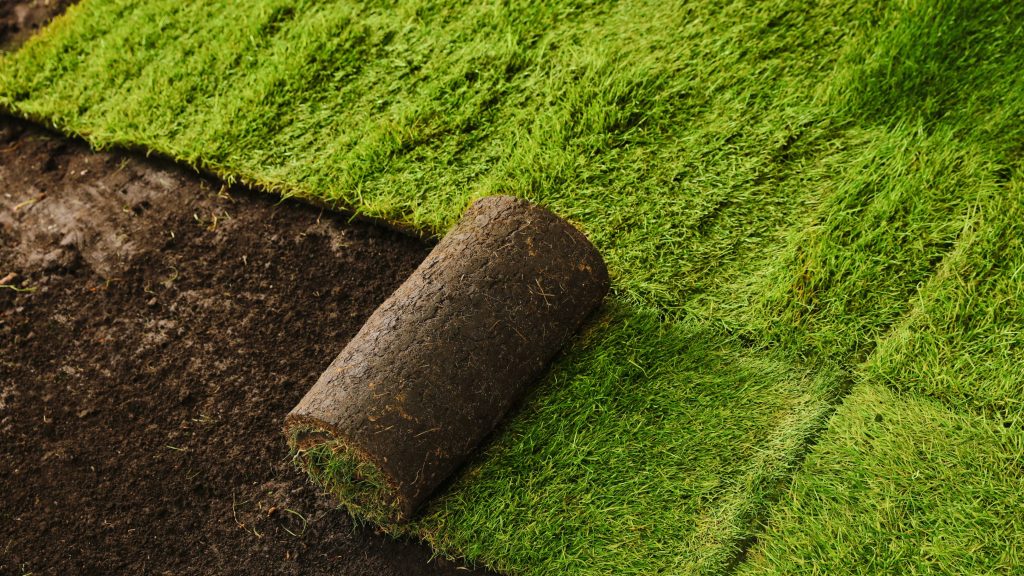
It’s funny how, after all this technological progress, the thing we started with—good old natural grass—might still be the best option. Sure, it requires mowing, watering, and doesn’t look Instagram-perfect all the time. But guess what? It won’t turn your knees into a cheese grater, and when it’s time to replace it, it won’t sit in a landfill longer than the average human lifespan.
We get it: artificial turf is convenient, and it’s not going anywhere (literally—see: landfill problem). But before we go all-in on plastic grass, maybe we should remember that sometimes, the real thing is just… better.
The Final Whistle
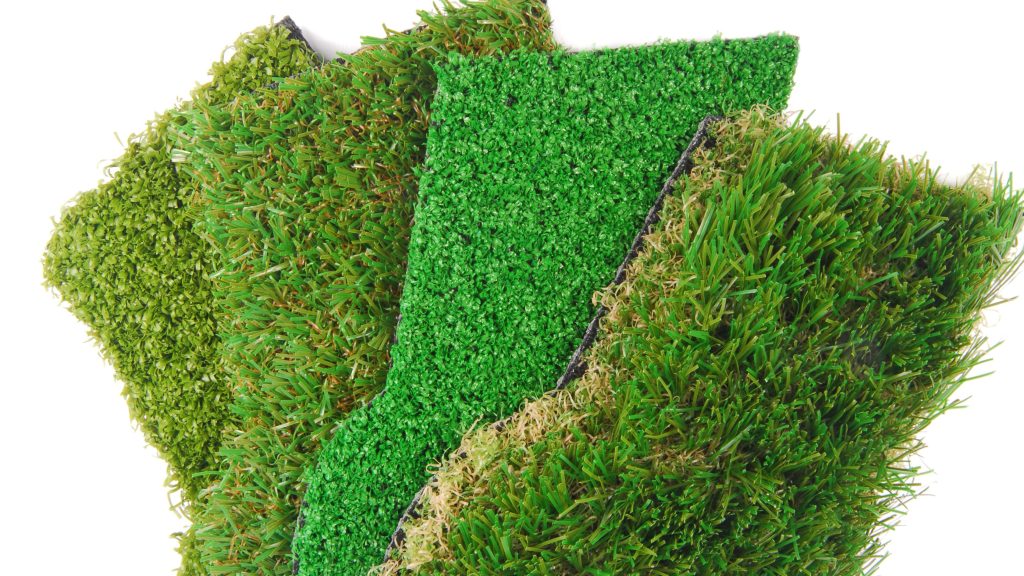
So, what’s the verdict on artificial turf? It’s like that trendy gadget you buy that makes your life easier until it breaks down and you remember why the simpler version was better all along. Sure, it’s neat for a while—until you realize your scraped knees, possible chemical exposure, and a small contribution to plastic pollution aren’t quite worth it.
Maybe the next time we’re setting up our sports fields, we should give good ol’ grass a second chance. It might get muddy, but hey—at least it won’t leave a 500-year legacy of rubber crumbs behind.
Call to Action
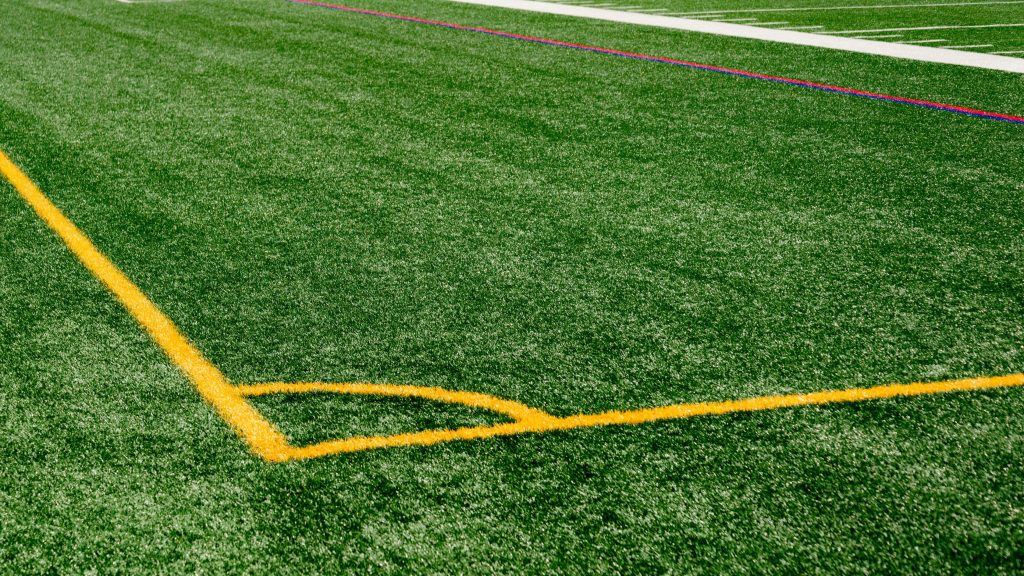
Love running on that sleek, green, artificial turf? Or have you taken one too many tumbles on the plastic battlefield? Share your thoughts via our contact page and let us know: natural grass or artificial turf—what’s your field of choice?
Want more? Check out our other blog posts.
Looking for the perfect gift? Check out our store!
How to get involved
There are many ways we can all contribute to the global effort for cleaner oceans! Contact us here to find out how you can get involved on our mission for cleaner oceans.
CONTACT US
Related articles

Unpacking the Polystyrene Problem
Is polystyrene really that bad? Is it a tool that actually allows us to save time, money and the environment or does […]

Marine Litter Solutions From Around the World
“To speed up change, we can be inspired by innovative solutions from other countries in the fight against marine litter pollution” Around […]

Saying Goodbye to Single-Use Plastics
Introduction The world produces approximately 400 million tonnes of plastic each year—and over one-third of that is designed for single use (UNEP, […]